Mapping Regulatory Frameworks Against Progressive Payout Mechanisms in UK Mobile Live Dealer Operations
Written by Nils Schwarz · Aug 22, 2026

Mapping Regulatory Frameworks Against Progressive Payout Mechanisms in UK Mobile Live Dealer Operations
Regulatory mandates shape how operators structure progressive payouts in UK mobile live dealer environments, where live blackjack and roulette streams connect to jackpot pools that grow with each bet placed through smartphone applications. Data from industry reports indicate that these systems must align with rules governing fair play, player fund protection, and game transparency across devices.
Core Elements of Regulatory Mandates
Operators navigate requirements that cover licensing conditions, audit trails for jackpot contributions, and restrictions on how progressive elements integrate with live dealer feeds. Research indicates that compliance teams monitor contribution rates to ensure pools meet minimum standards for player return percentages while maintaining separation between house edges and jackpot increments.
Those who track policy developments note that updates scheduled for August 2026 will introduce stricter reporting on mobile session data, requiring platforms to log how progressive triggers occur during live sessions streamed to tablets and phones. Such measures aim to close gaps in real-time monitoring of payout algorithms.
Progressive Payout Structures in Practice
Progressive jackpots in these environments accumulate across multiple live tables or games, with portions of each wager feeding into shared pools that reset after major wins. Figures reveal that mobile users account for over sixty percent of contributions to these pools in recent analyses, driven by app-based interfaces that display growing totals alongside dealer actions.
One study from the University of Las Vegas revealed that seed amounts and increment percentages directly influence player engagement levels, with structures that cap daily contributions showing steadier growth patterns compared to uncapped models. Observers note that live dealer environments add complexity because each hand or spin must transmit data instantly to central servers managing the progressive component.
Intersection Points Between Rules and Payout Designs
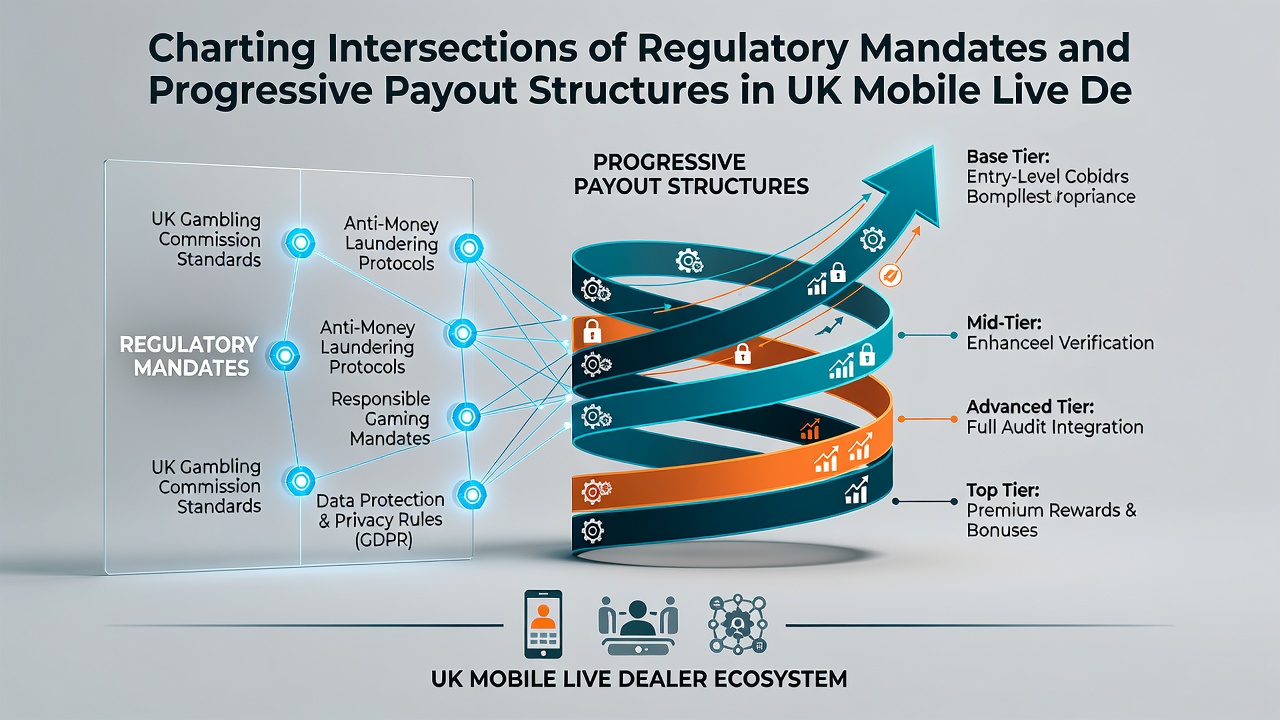
Rules on fund segregation require that progressive contributions remain distinct from operational revenue, creating technical demands for mobile platforms that process thousands of simultaneous bets. Data shows this separation demands robust encryption and timestamp verification to prevent disputes during live play.
Turns out that when mandates tighten contribution caps, operators adjust payout frequencies to keep pools attractive without violating thresholds. Researchers discovered through case reviews that platforms using tiered progressive levels, where smaller side bets feed micro-jackpots while main bets build larger ones, maintain better compliance records across jurisdictions.
Links to external analyses appear in reports from the European Gaming and Betting Association and academic papers hosted by the Australian Institute of Criminology, both of which examine how payout mechanics respond to cross-border regulatory shifts.
Mobile-Specific Technical and Compliance Factors
Mobile environments introduce variables such as network latency and device fragmentation that affect how progressive meters update during live dealer streams. Experts have observed that operators implement buffering protocols and fallback servers to ensure jackpot visibility remains consistent even when connections fluctuate.
Those who've examined platform architectures find that APIs linking live video feeds to payout engines must undergo frequent testing to satisfy audit requirements. Evidence suggests that failures in these connections trigger mandatory reviews, with operators required to pause progressive accumulation until systems stabilize.
Developments Anticipated for August 2026
Policy adjustments expected in August 2026 target enhanced verification of mobile user locations and session integrity, which will influence how progressive pools calculate contributions from different geographic sources. Figures indicate that operators already preparing modular software updates to handle new data fields without disrupting live table flows.
People often find that early adoption of these protocols reduces downtime during transition periods, allowing progressive structures to continue operating smoothly under revised guidelines.
Conclusion
The interplay between regulatory mandates and progressive payout structures continues to define operational standards in UK mobile live dealer environments. Stakeholders track these intersections through ongoing data collection and system refinements, with August 2026 serving as a key milestone for updated compliance measures. Continued monitoring of contribution mechanisms and mobile delivery systems supports alignment with evolving requirements across the sector.